Get involved
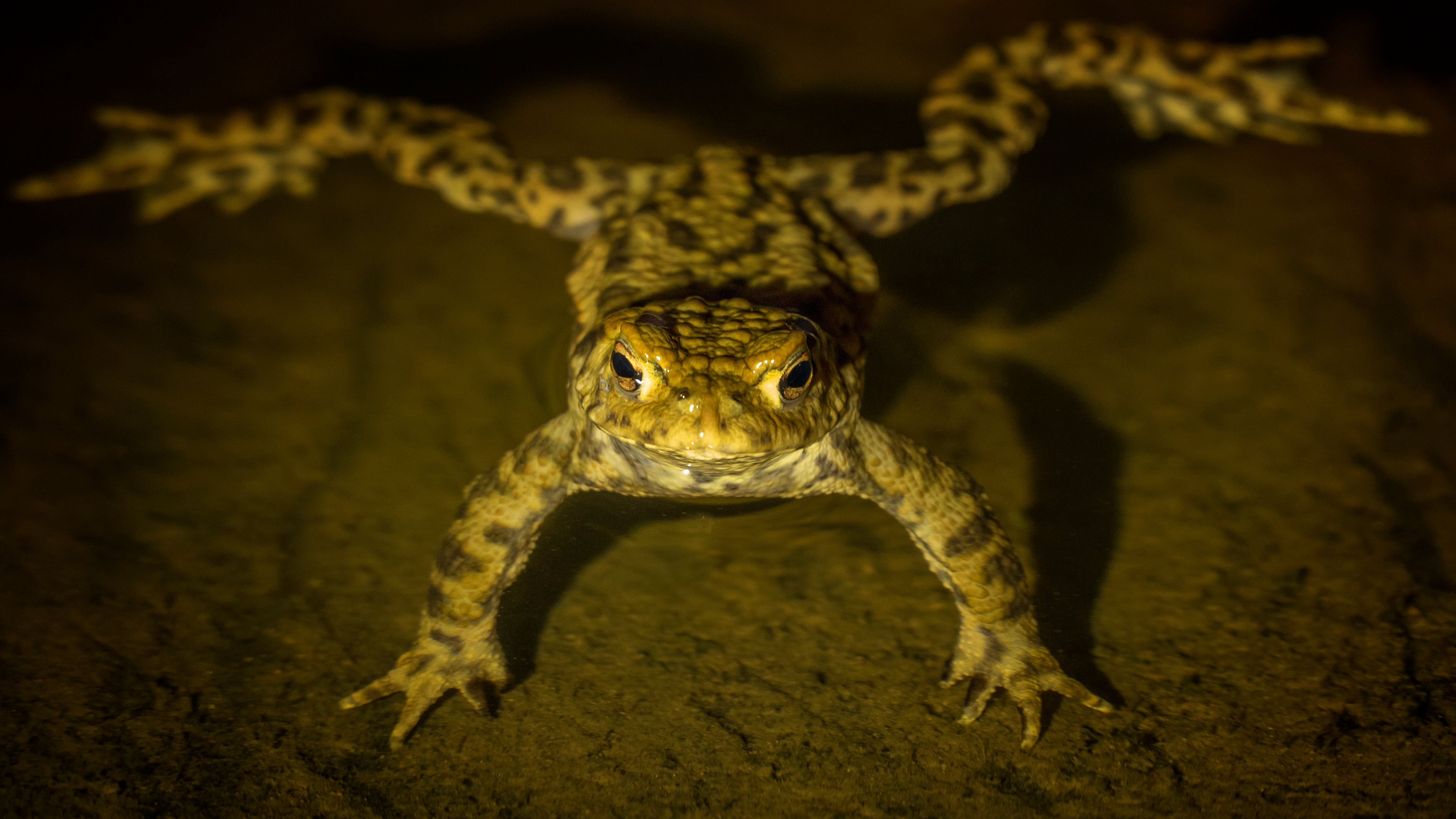
Photo © Jon Cranfield
News
- Details
- Angela Julian

- Details
- Angela Julian
- Details
- Angela Julian
Read more: ARG UK Position Statement on reintroduction proposals
- Details
- Angela Julian
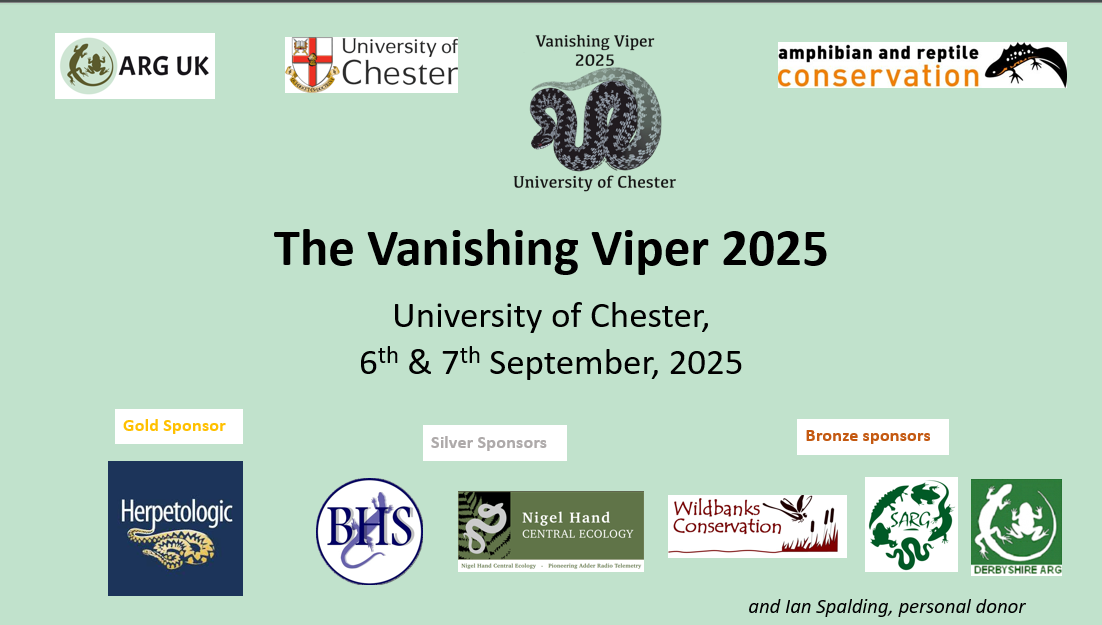
Read more: A review of The Vanishing Viper 2025, University of Chester 6-7 Sept

- Details
- Angela Julian
We are pleased to be able to release Vanishing Viper 2025 merchandise.
We've teamed up with Green Hare Designs to produce a range of T Shirts and Hoodies based on the wonderful design by our amazing digital creator Anna Maka.
Read more: Vanishing Viper 2025 merchandise - T-shirts and hoodies

- Details
- Angela Julian
Read more: Conference - Vanishing Viper 2025 - a landscape-level approach to adder conservation

- Details
- Angela Julian
Read more: Secretive Serpents - conserving adders in Norfolk and Suffolk

- Details
- Angela Julian
A new publication from the Adders are Amazing! Team
Adder (Vipera berus) populations are experiencing declines in many countries, including the United Kingdom. Unfortunately, perceptions of adders and other venomous snakes are generally negative, making conservation of these species a challenge. More worryingly, data from the…
- Details
- Angela Julian
Read more: Amphibian and Reptile Reintroductions - Guidelines for Amphibian and Reptile Groups

- Details
- Angela Julian
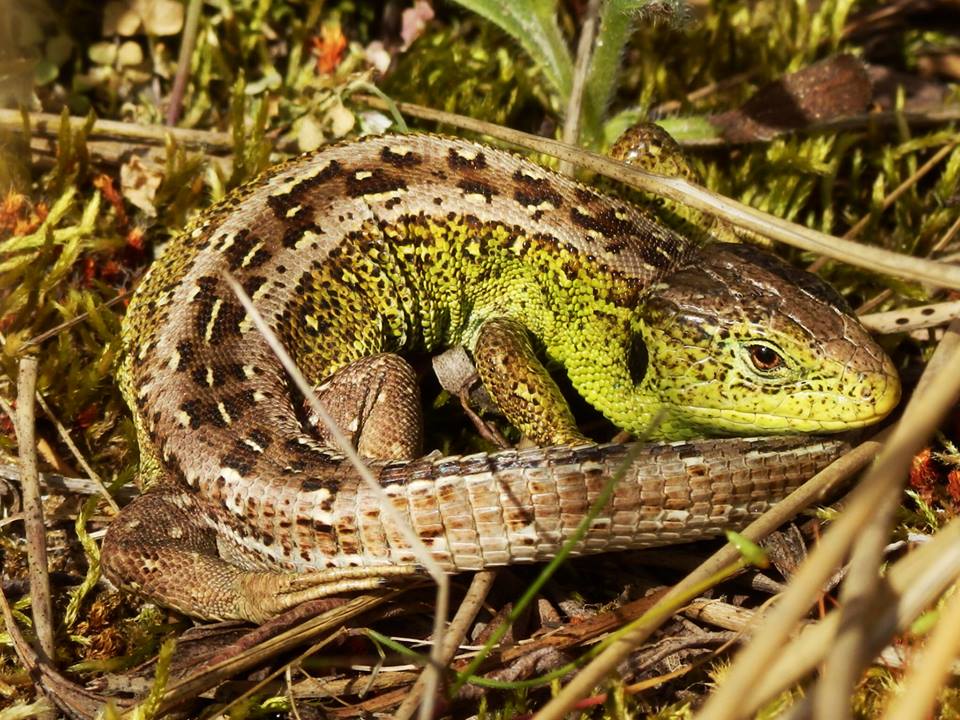
- Details
- Angela Julian
Read more: Stand up for nature! Help us to protect our precious Habitats Regulations
- Details
- Angela Julian
Read more: SW ARGs regional online meeting recorded 06.11.2021
- Details
- Angela Julian
Read more: Scottish ARGs Regional Meeting 30/10/21 - Recording and summary

- Details
- Angela Julian
What is it?
Whilst most of the leeches you will encounter in the UK are a natural part of your ponds' ecosystem and doing no harm to other wildlife, since 2020 we've been receiving unusual reports of leech predation on amphibians from a small number…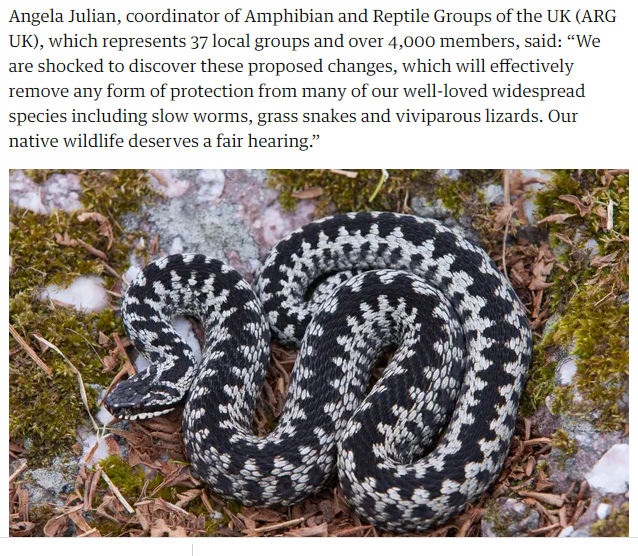
- Details
- Angela Julian